How Waveform and Phasor Analysis Prevented a Total Teardown
After months of stable operation, a substation transformer at a major facility suddenly tripped, throwing the entire control building into darkness. For a plant director, an unexplained outage is a worst-case scenario, one that sparks fears of an internal fault and a catastrophic transformer loss.
But instead of accepting a total loss, MSB deployed advanced waveform and phasor analysis to look beyond the physical wiring. By diagnosing the precise source of the problem, hidden in the electrical data, the team avoided a full teardown and safely restored power to the facility within hours of arriving on-site.
When the Wiring Looked Right but the Waveforms Didn’t
When MSB was called to the site, the team bypassed traditional mechanical troubleshooting and went straight to the protection relay to pull digital event reports. The team analyzed digital waveforms and phase shifts between the Current Transformers (CTs) for windings 1 and 2, revealing a hidden factory defect.
The facility had been operating under a light, stable load for months, meaning the internal wiring error remained small enough to hide under the relay’s safety thresholds. But the moment a minor operational surge occurred, the incorrect wave amplified the wiring error. The safety relay registered an internal short circuit, prompting an emergency shutdown.
Solving an Internal Transformer Problem from the Outside
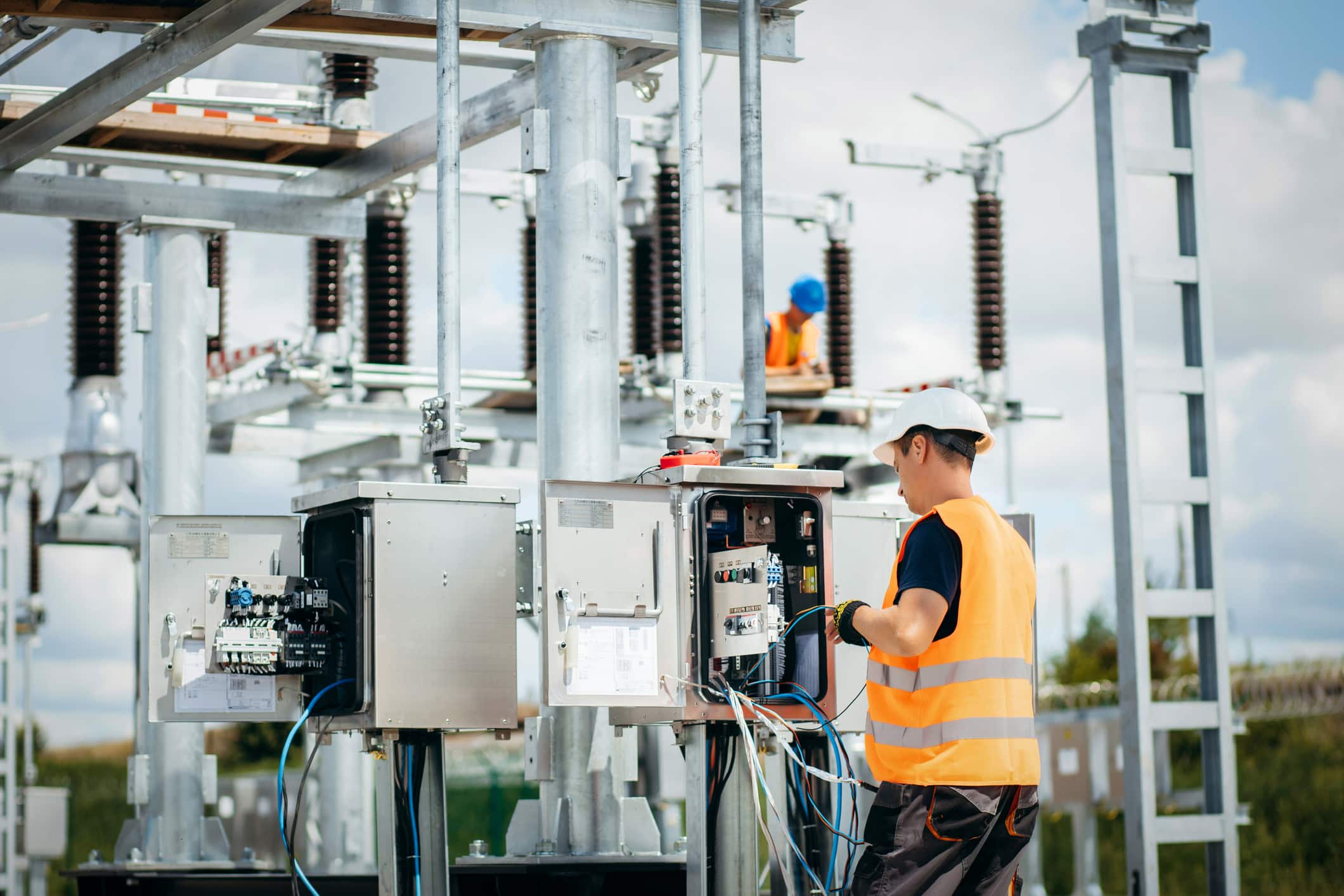
The MSB team saw another way around this. They knew that heavy-duty utility transformers like the one they were working on are often manufactured with secondary, redundant sets of internal CT sensors that are left unmapped and unused. Leveraging specialized expertise in industrial power systems, the team engineered an immediate workaround entirely from the external control cabinet.
Instead of opening the transformer tank, the team isolated the faulty factory circuit from the terminal board. Then they redirected the protection relay’s input leads, fastening them onto the backup internal CT terminals. The team energized the loaded transformer, verified that the new live phasor vectors balanced and brought the control center back online.
Commissioning Isn’t Over at Energization
The main takeaway from this multi-day operational shutdown: Never accept a major electrical asset until its data has been thoroughly analyzed under a real operational load.
Traditional commissioning typically wraps up the moment an asset is energized. While simply turning a unit on proves it can hold voltage, it does not prove it can safely handle a dynamic load. This gap is increasingly dangerous, as overwhelmed modern-day equipment manufacturers rush production to meet unprecedented industrial demands. Such pressure can affect quality control, which can then mean that internal wiring defects are being shipped directly to job sites. Energizing a unit is no longer proof of safety.
Reliance on visual inspections or on the assumption that a piece of hardware matches its paper documentation is a huge gamble. To protect project schedules and prevent downtime, facilities must utilize dedicated electrical specialists – like MSB – who look beyond the blueprints, analyze real-time electrical physics, and validate system integrity before operations begin.