

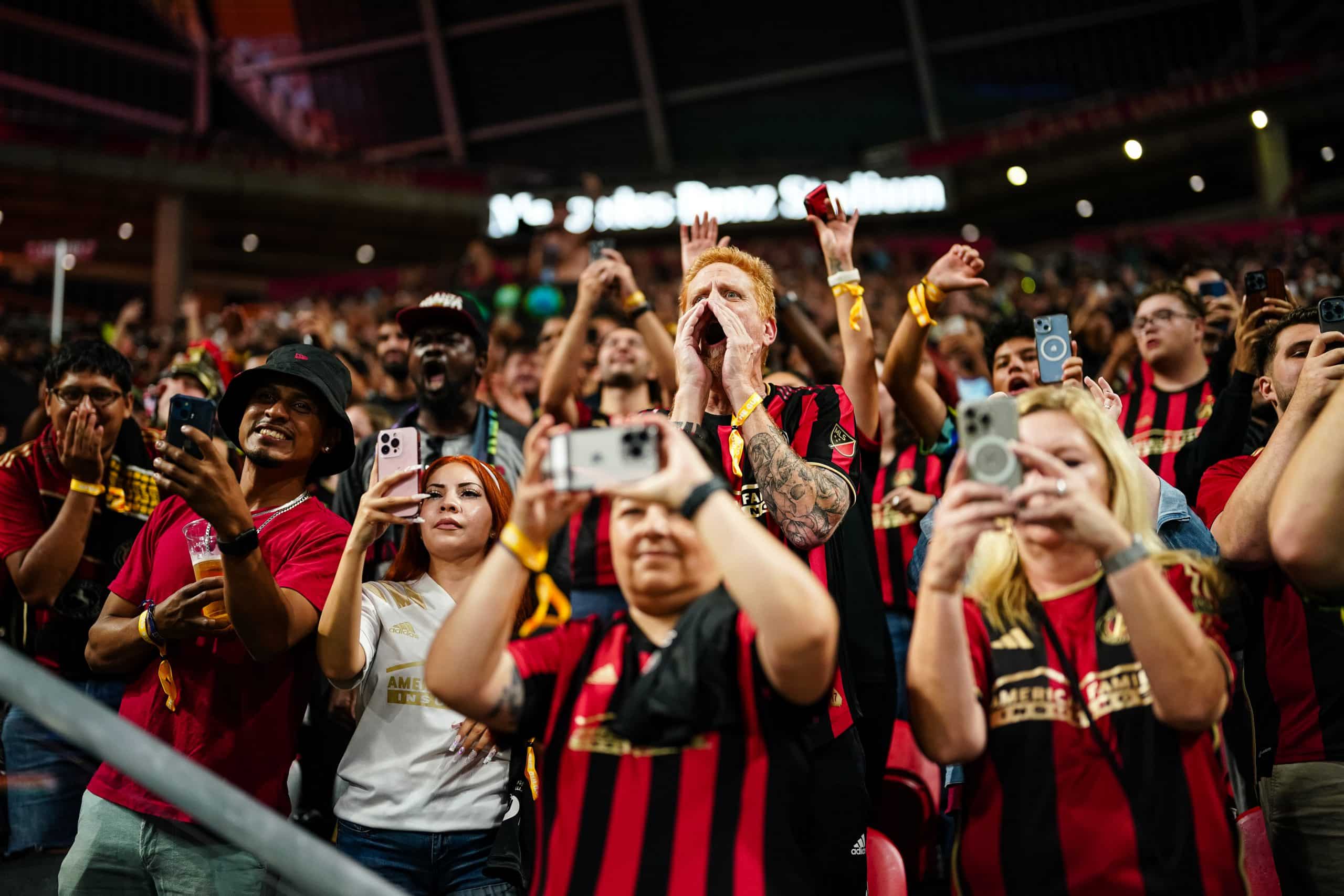
The modern fan experience is about much more than the game. It is a comprehensive, technology-enabled journey from the moment fans consider buying a ticket to the final social media post they share. Satisfaction hinges on multiple touchpoints shaped by wireless technology, connectivity infrastructure, and operational foresight. It’s an experience venue decision makers must intentionally design and proactively manage.
What Defines the Modern Fan Experience?
Across collegiate, semi-pro, and professional sports venues, fan expectations are rapidly rising. Over the last 15 years, venue technology and wireless connectivity have shifted from a competitive advantage to a baseline expectation for delivering a great fan experience.
Today’s fans evaluate their experience by more than wins and losses. They expect convenient parking, seamless entry, quality concessions, clean facilities, and reliable wireless connectivity. They demand convenience, speed, and personalization, all supported by robust wired and wireless infrastructure.
How Technology Shapes Every Touchpoint
Venue owners and operators actively measure the fan experience, monitoring sentiment across digital platforms where negative experiences are amplified, quickly impacting reputation and attendance.
These insights directly inform how venues invest in and design their technology infrastructure. Modern venues rely on advanced core and edge network infrastructure to support critical systems, including:
- digital signage and video boards
- point-of-sale transactions
- ticket scanning and mobile entry
- broadcast operations
- mobile apps and real-time content delivery
In parallel, wireless technology is also rapidly progressing, directly impacting every part of the fan experience.
Wireless Connectivity: A Competitive Standard, not a Luxury
Most professional sports venues and large collegiate institutions have embraced wireless technology, not just as a convenience but as a core component of the fan experience. Today’s world is connected, mobile, and always-on. For younger generations who have never known life without smartphones or social media, connectivity is not a bonus; it’s an expectation. The ability to post, view live games concurrently, order food from their seat, or make cashless transactions are all part of their definition of a great game day.
These experiences depend on high-performance wireless networks that provide consistent coverage and capacity across the entire venue, including seating areas, concourses, suites, entry points, and even restrooms.
Today’s venue networks also generate invaluable data. With the right systems, venue operators can analyze fan movement and dwell time, purchasing behavior and trends, app usage, content engagement, and peak traffic zones to improve operations, optimize services, and enhance the fan experience.
Not a Silver Bullet Solution
Venue needs are evolving and no single wireless technology solution can meet all stakeholder and fan demands. Many venues once relied on standalone cellular networks or low-density Wi-Fi solutions. Both of these options have clear advantages when compared to each other, but they shouldn’t be viewed as competitors. They work best when deployed together.
The commercial cellular wireless carriers have invested heavily in additional spectrum through FCC auctions. The objective was to support the increasing volume of user devices and deliver stronger, high-performance coverage in outdoor and high-density environments, such as stadiums and arenas.
At the same time, large-scale indoor Distributed Antenna Systems (DAS), have become essential in large venues. These complex, carrier-integrated systems are engineered to support all major carriers and the full range of frequencies they hold within geographic markets.
Wi-Fi: A Venue-Controlled Connectivity Advantage
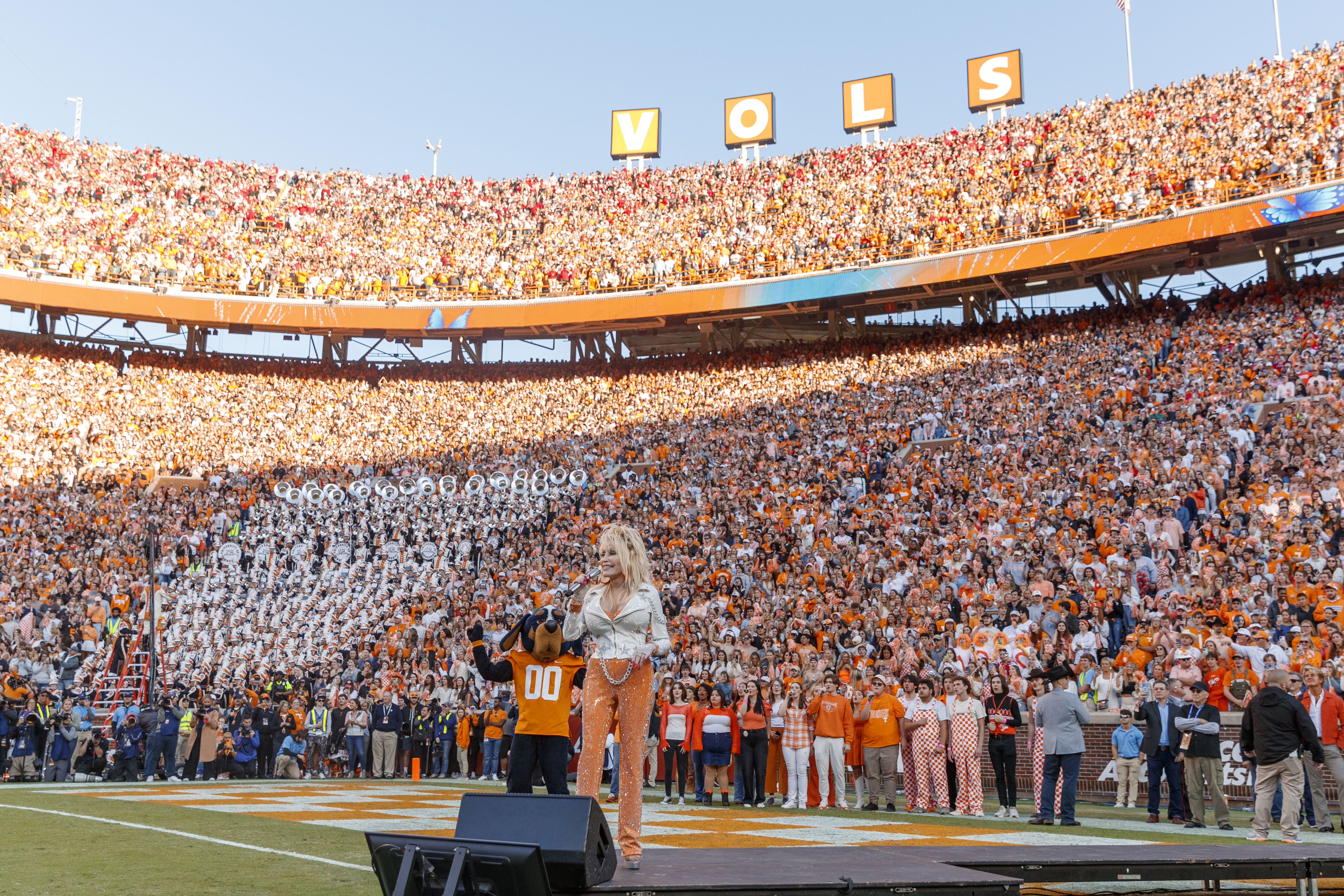
Wi-Fi has come a long way in the last decade, providing venues with a controlled advantage. High-density, high-capacity networks – typically funded by venue owner/operators – allow for full control over secure access, traffic prioritization, integration with fan apps and loyalty tools, and capturing rich user behavior data. Wi-Fi also plays a critical role in offloading traffic from cellular networks during peak demand.
The adoption of Wi-Fi 6E technology introduces access to the 6 GHz spectrum, enabling faster speeds, lower latency, and higher device capacity. This allows fans to connect multiple devices, stream high-definition content, and engage digitally throughout the venue without interruption.
Why Leadership Alignment Matters for Venue Connectivity
At MSB Consulting Engineers, we’ve spent over 20 years guiding large public venues – stadiums, arenas, airports, convention centers, etc. – to solve their most critical connectivity challenges. Through planning and deployment of wired and wireless networks, one principle holds true: no two venues are alike, and no wireless infrastructure solution should be off-the-shelf.
Each venue presents unique architectural, technical, and operational constraints. Top-performing projects begin with leadership alignment and early cross-department collaboration. Marketing, IT, operations, finance, and fan engagement teams must work together from the beginning. By engaging early, leadership ensures their infrastructure is technically sound and strategically aligned with broader goals.
The Payoff: Better Fan Experience + Smarter Venue Operations
Key Takeaways:
- The Modern Fan Experience is holistic and tech driven. It starts before fans arrive and continues well beyond the event.
- High-capacity wireless connectivity is foundational to meeting fan expectations in stadiums and large venues.
- Early collaboration leads to smarter infrastructure decisions – aligning technical needs and broader business goals.
Fan expectations are evolving and being driven by technology. Connectivity infrastructure supports operations while shaping the entire fan journey. For venue owners and operators, investing in the right wireless solutions today creates the opportunity to deliver a better fan experience and build a smarter, more connected operation for the future.